Mountain Medical Practice offers membership benefits and advantages, including customized wellness and preventative care, enrollment in our microvascular health program, discounts on our health and healing products and gift shop items, and additional office conveniences.
Vital Vascular enrollment includes custom care protocols designed to detect risk for circulatory and neurologic pathology and to identify patients who may benefit from lifestyle changes and preventative measures. These select services are elective and not typically covered by commercial insurance carriers or Medicare, or may not be covered when performed for screening and prevention. Devices valued in both clinical and research settings are utilized to study blood vessels and nerves, and outcomes may vary.
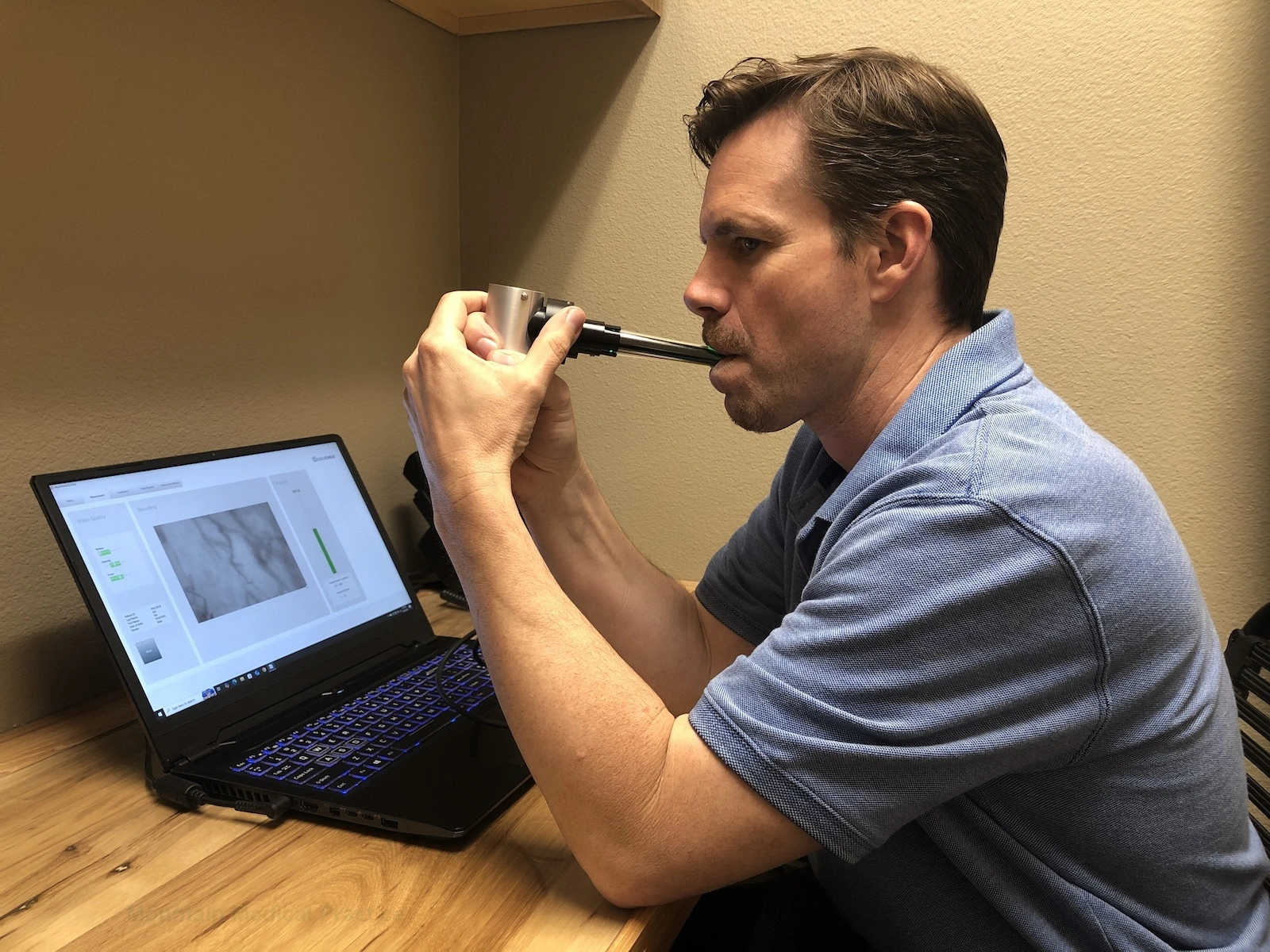
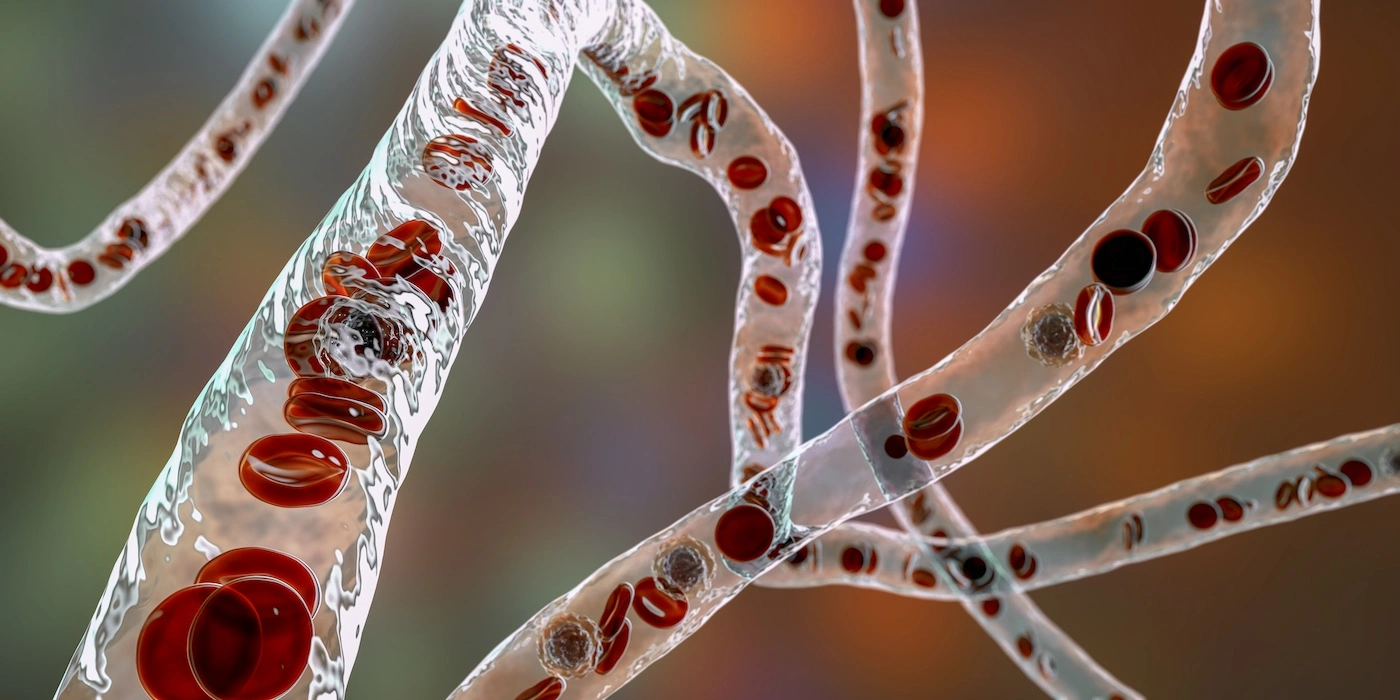
The GlycoCheck in vivo optical technique for visualization of early stage blood vessel disease is available at Mountain Medical Practice. A specialized hand-held video camera is gently placed under a patient's tongue for about 5 minutes in the same manner as would a simple thermometer. A live video of red blood cells moving through very small capillaries is captured at microscopic resolution and combined with software data analysis to assess microvascular health.
A modified screening nerve conduction study (NCS) and electromyography (EMG) protocol is performed in complement to vascular screening tests. Very selectively, a small fiber nerve biopsy may be performed similar to that of a skin biopsy to assess the health of small nerve fibers in the skin, particularly in patients experiencing numbness, burning, tingling or other sensory disturbances of undetermined cause.

A Vital Vascular Visit is appropriate for most patients, including those who are starting to recognize vascular warning symptoms and signs as well as those who are healthy and asymptomatic.
A customized vascular health profile is generated by combining traditional techniques with contemporary technology. The visit includes a detailed doctor-patient interview, a comprehensive physical examination with emphasis on evaluation of the vascular system, and noninvasive neurovascular screening tests performed in the office.
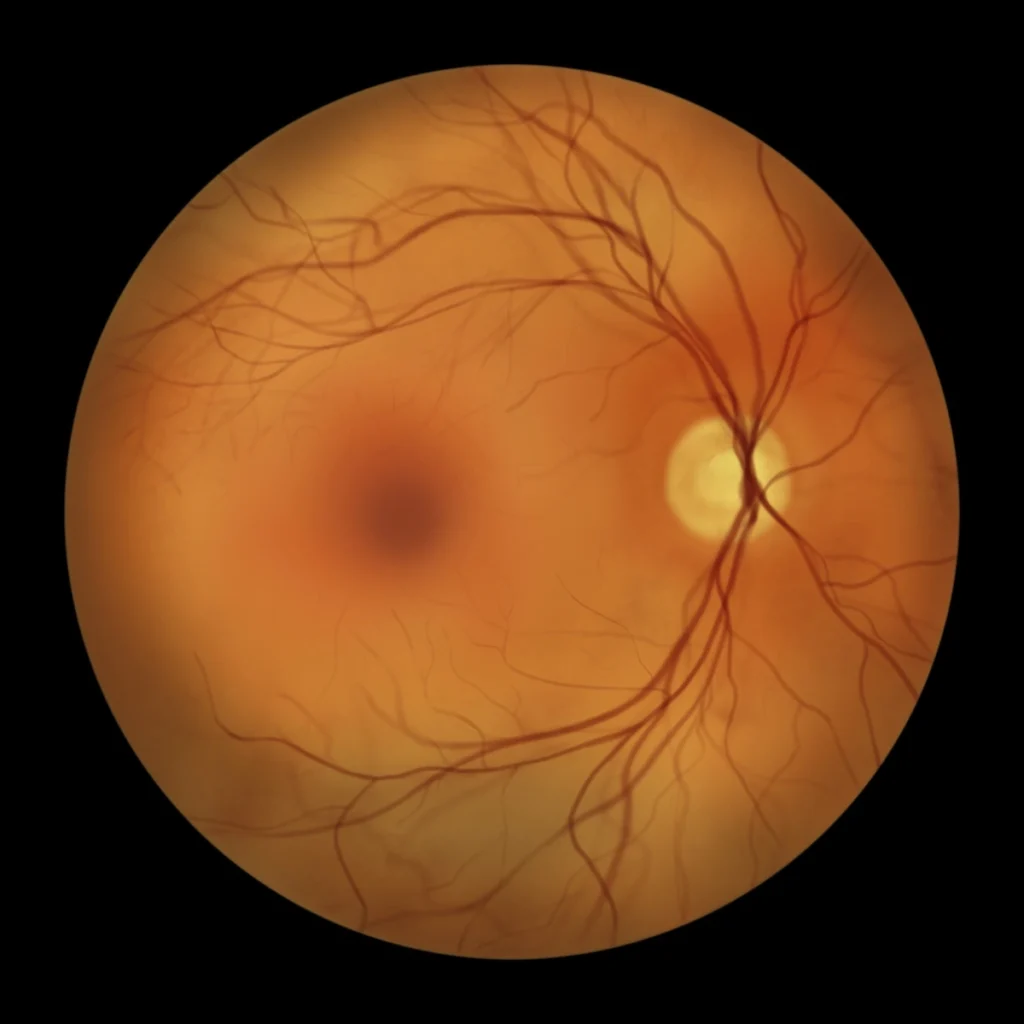
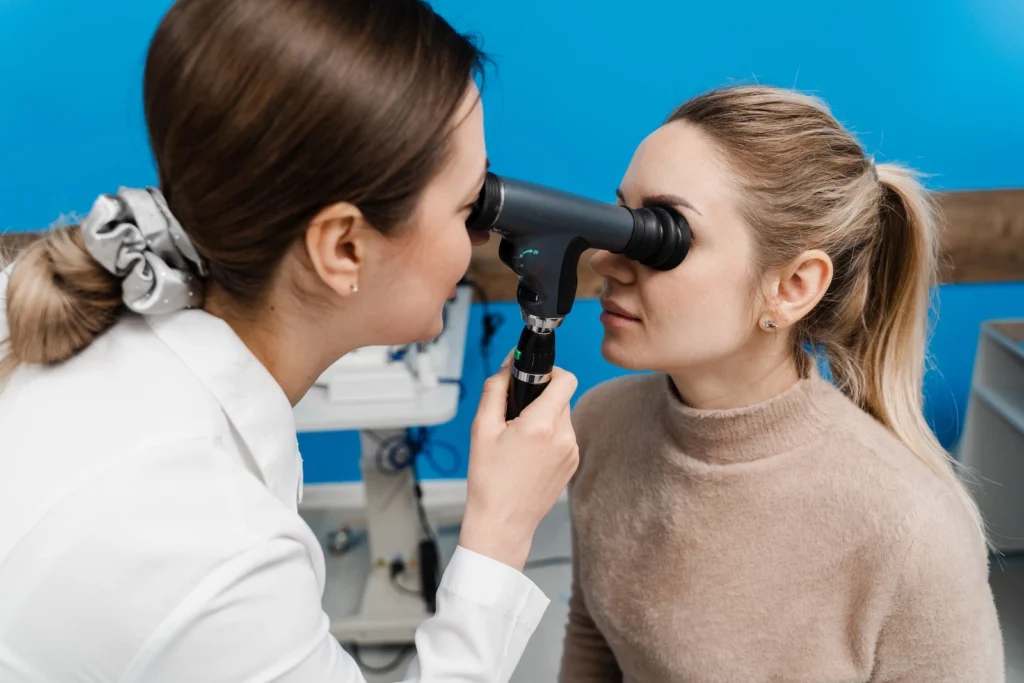
The ophthalmic / eye exam is an integral part of the general physical exam. The fundoscopic view of the retina allows for direct visualization of the vasculature in its natural state. Seeing the small arteries, veins, and capillaries at the back of the eyeball can reveal broader information regarding overall health and well-being, detecting not only optic problems but also systemic problems, providing clues to the presence of heart disease, hypertension, diabetes mellitus, and increased intracranial pressure.
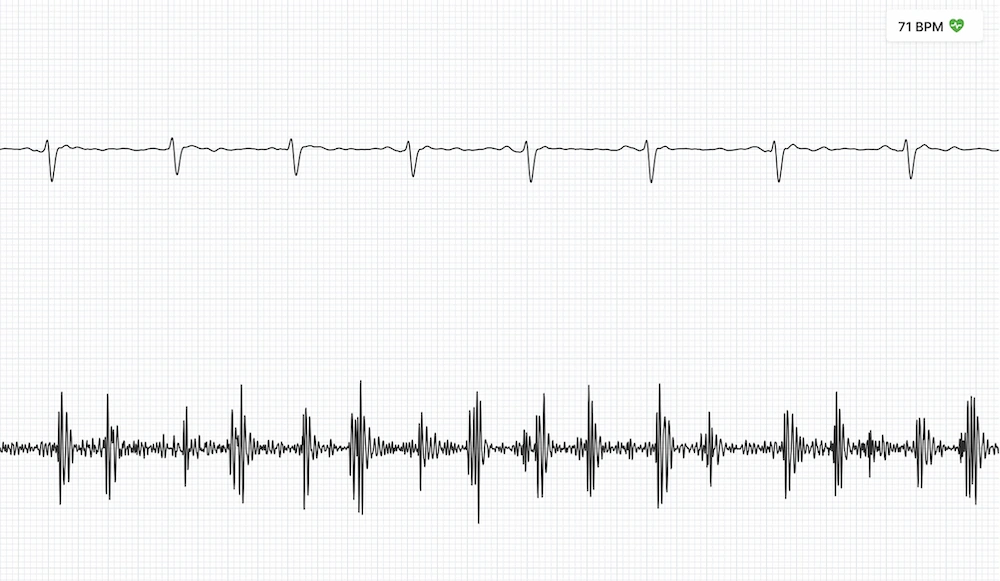
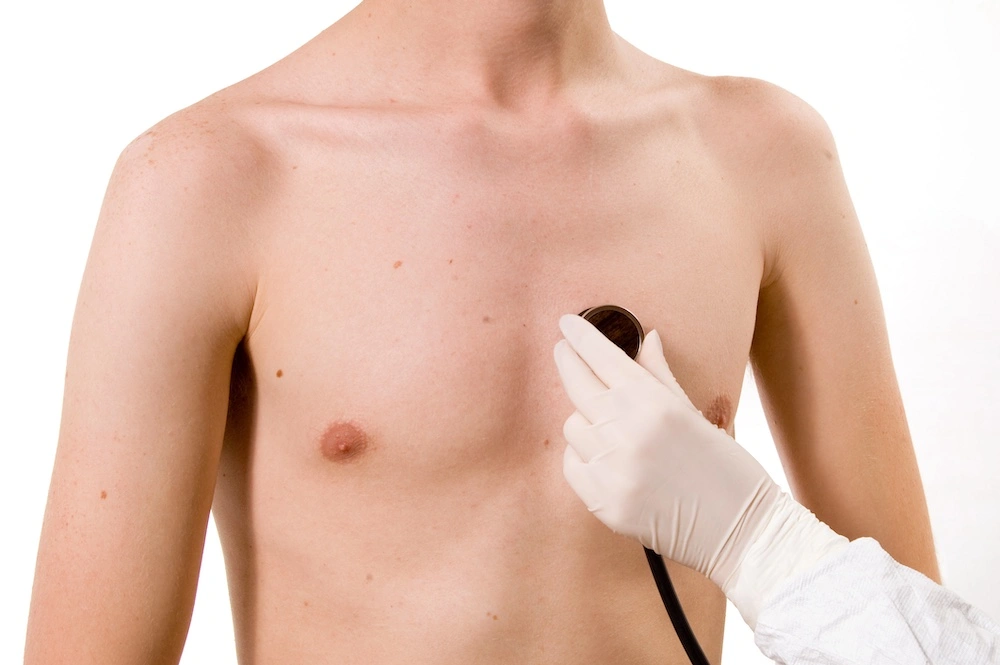
A general physical exam is performed with attention to general appearance, heart sounds, and arterial pulses. In some cases, heart sounds may be digitally amplified and recorded. Noninvasive physiologic studies may be performed using blood pressure cuffs to measure segmental arterial pressures or to obtain ratios (ankle-brachial index or ABI) in the arms and legs.
GlycoCheck is a novel technology used to assess level of risk for silent vascular disease.
A biomedical video camera has been optimized to image living tissue under the tongue to microscopically view red blood cells within capillaries.
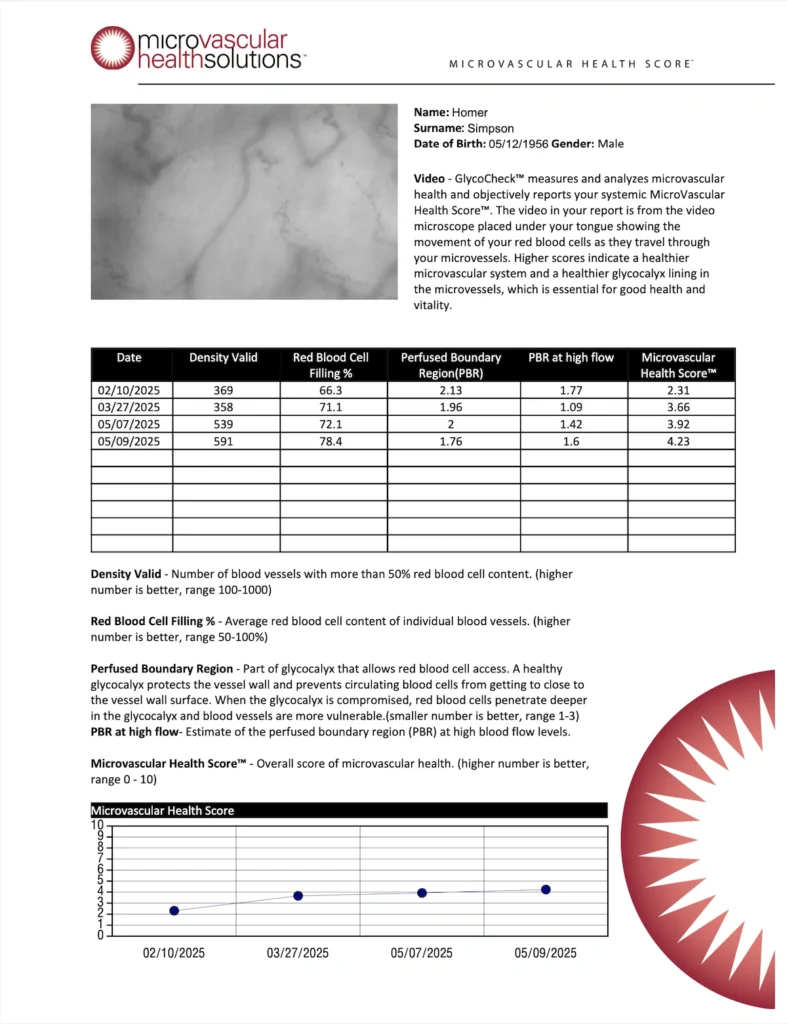
The GlycoCheck camera is used in conjunction with a software system designed to monitor capillary blood flow and glycocalyx integrity.
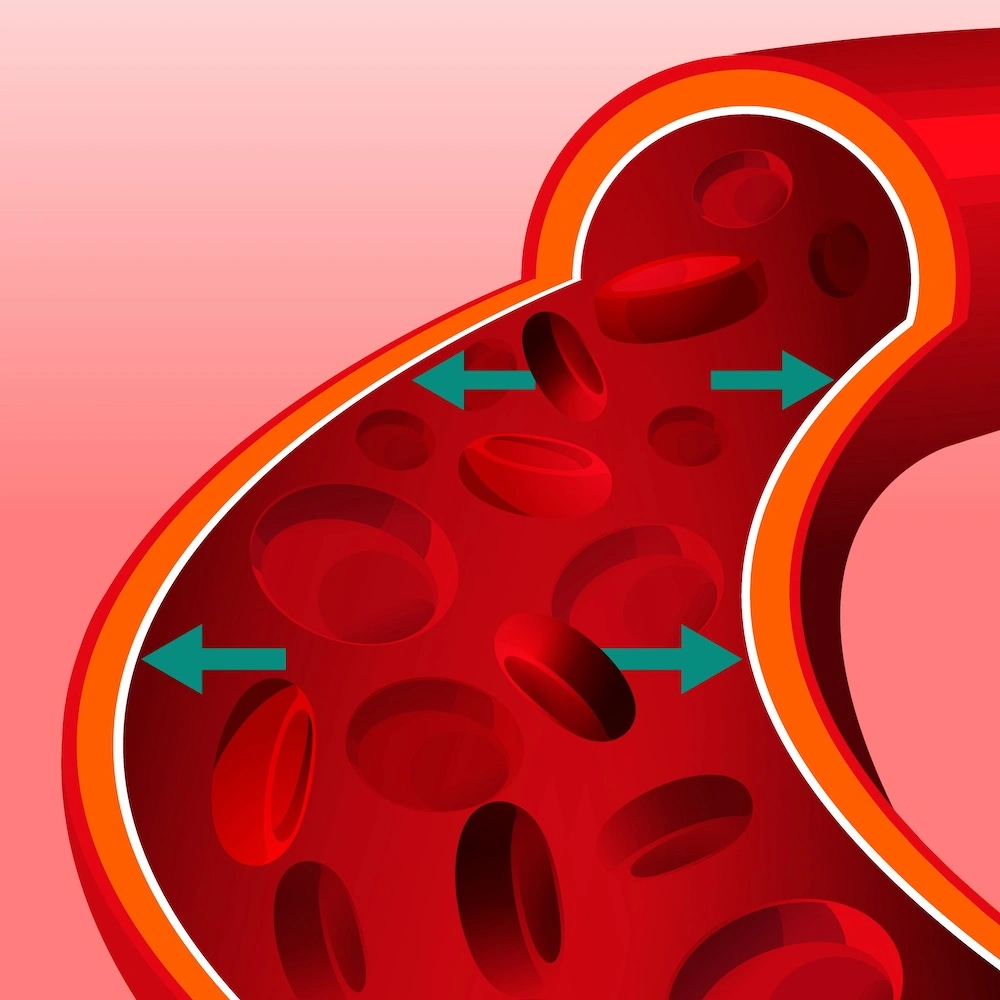
The glycocalyx is a micro-thin gel layer that lines the inside of all blood vessels throughout the body and all organs. It is a micro-thin shield that protects the heart, arteries, veins, and capillary microcirculation.
A thick and healthy glycocalyx is a biomarker for microvascular health and for overall bodily health.
The GlycoCheck camera is used to image live motion of red blood cells flowing through the smallest capillaries.
The software enables the automatic analysis of a series of images captured with the microscopic camera.
A formula combining multiple measurements generates a single overall Microvascular Health Score.
Measures capillary count, red blood cell concentration, and red blood cell speed.
Monitors red blood cell proximity to capillary walls to assess vascular damage through glycocalyx penetration and capillary wall invasion.
The Vital Vascular Visit is a tailor-made medical screening service offered by the providers at Mountain Medical Practice through our membership program. This custom service is generally not covered by health insurance, and no diagnostic or therapeutic claims are made. The composite service in its application for vascular health screening is an original protocol designed to identify populations at risk for vascular pathology and to identify candidates who may benefit from preventative measures.
The GlycoCheck system is designed for use in clinical settings and research institutions. It provides valuable insights into capillary density, blood flow, and the integrity of the glycocalyx layer, which are crucial indicators of vascular health. Results may not be typical and may vary from person to person.
The evaluations performed during this visit are not done in lieu of or in substitute for an annual check-up / physical examination performed by your primary care provider or a complete specialty eye examination performed by your ophthalmologist.
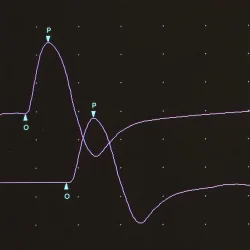
Compromised capillary circulation to the limbs is a common cause of nerve damage, particularly in diabetes. Electrodiagnostic evaluation of muscle and nerve function is performed in extension to a neurological physical examination. Nerve conduction studies (NCS) measure reaction time, strength, and speed of nerve responses. Electromyography (EMG) records electrical activity in muscles.
Abnormal electrical activity recorded by a needle electrode inserted into a muscle can be a hallmark of nerve damage and muscle denervation.
Spontaneous waveforms termed fibrillation potentials and positive sharp waves sound like “raindrops on a tin roof” or “popcorn popping”.
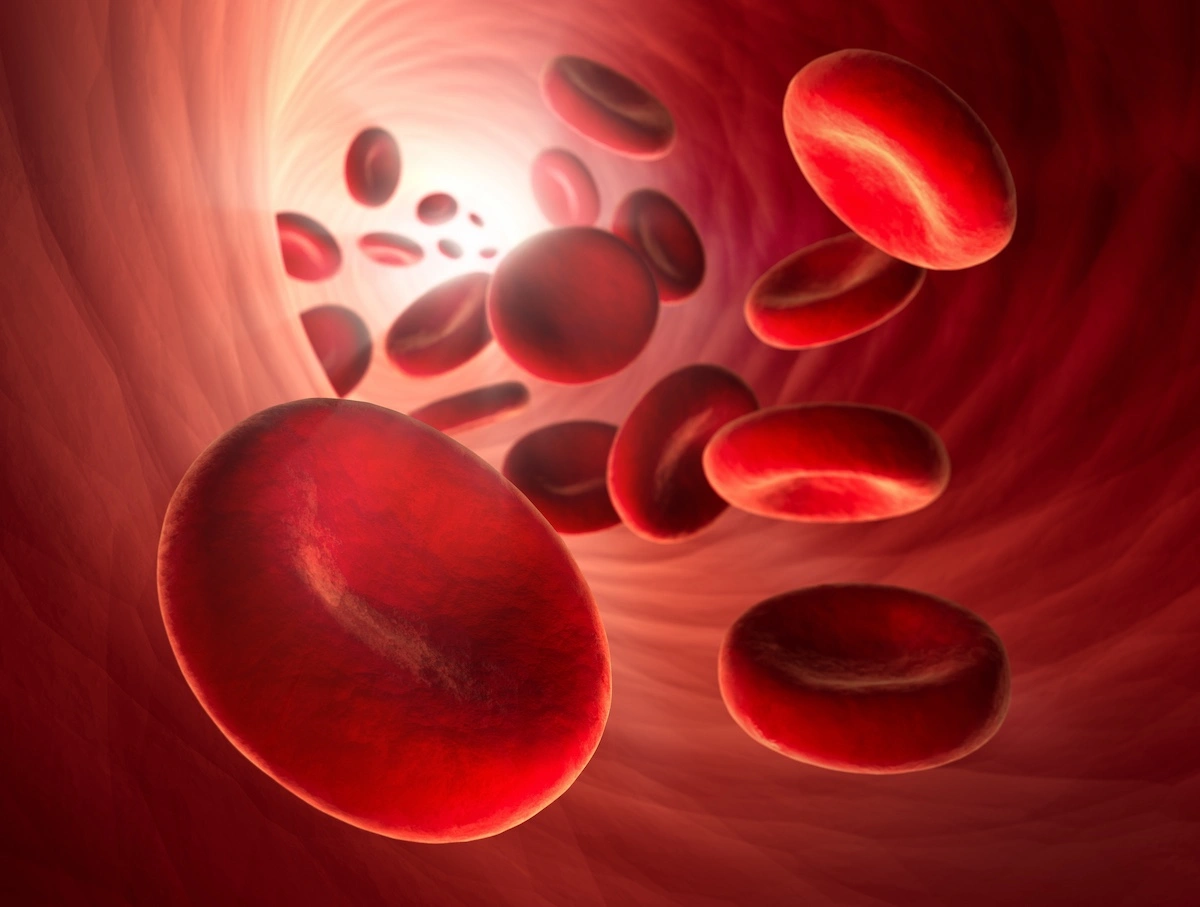
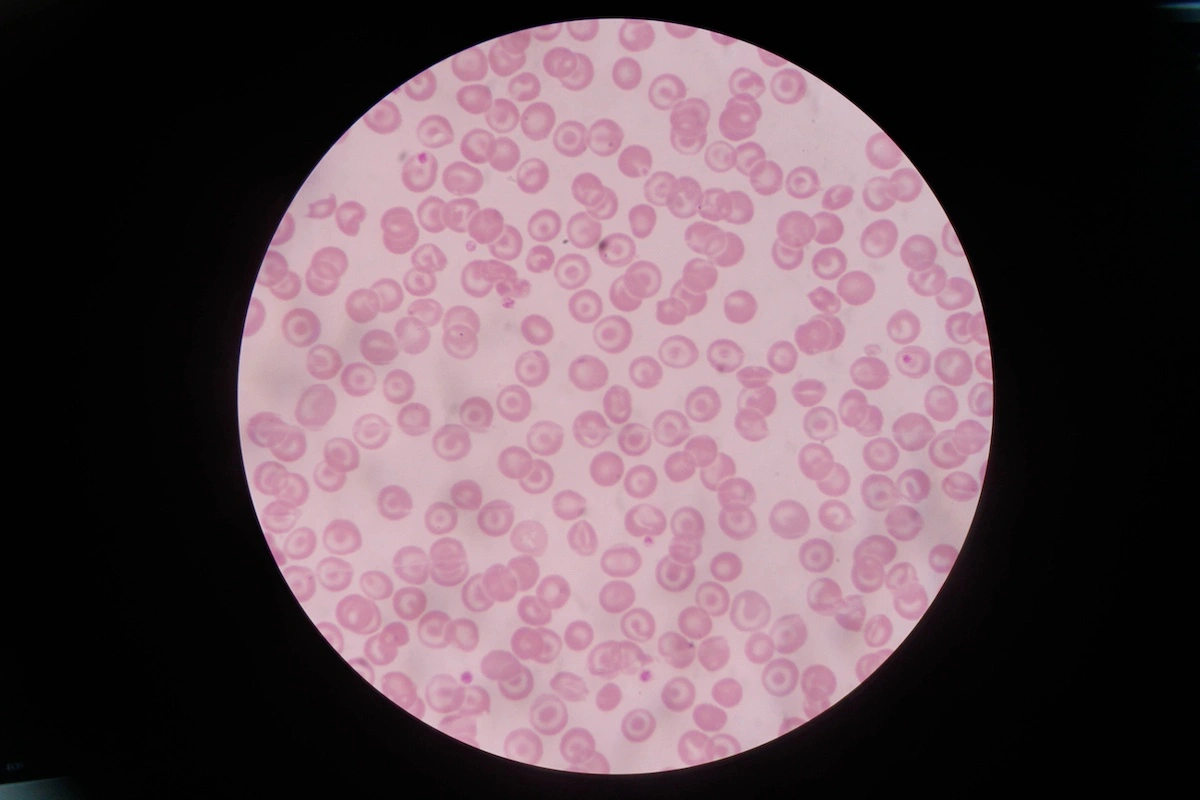
The evaluation of red blood cells can provide information about a patient’s general health and physiologic processes occurring in the body.
A fresh sample of blood is obtained by fingerstick, smeared onto a glass slide, and examined under a microscope.
The size, shape, and arrangement of the red blood cells are examined for clues to disease and pathology.
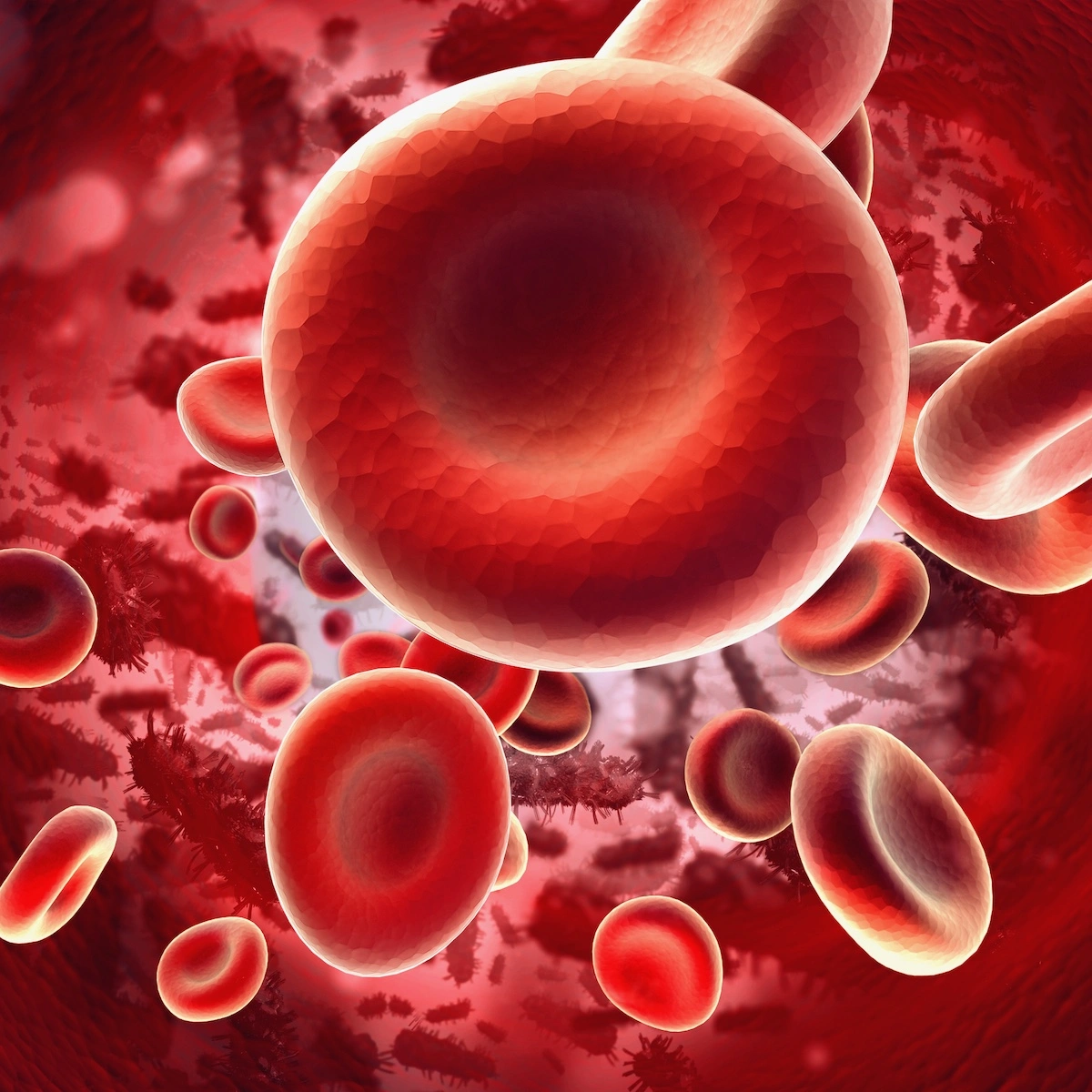
The mature red blood cell has a biconcave, discoid shape allowing increased surface area for oxygen exchange.
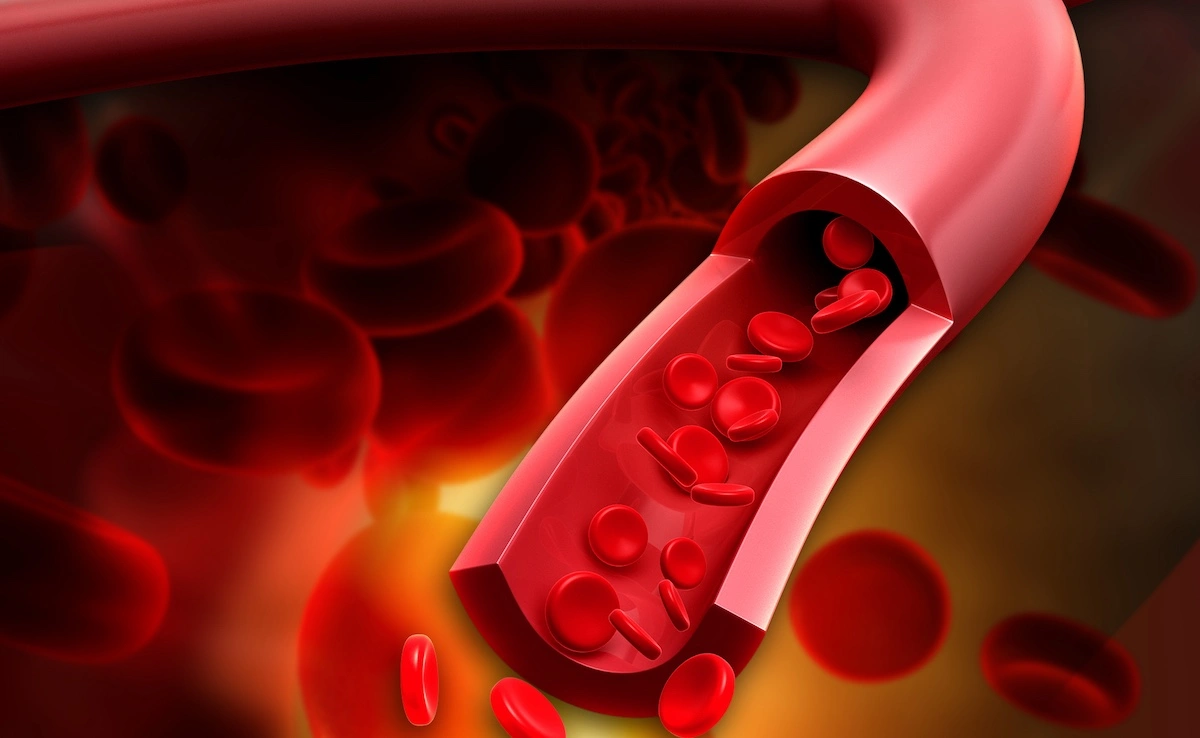
Structural flexibility enables red blood cells to squeeze through thin, narrow capillaries.