Persistent joint swelling can cause increased pain and impede motion.
Joint Injections
Corticosteroid Injections
Cortisone Shots
A dose of corticosteroid (a type of cortisone) may be injected into the joint space to provide a long-lasting, anti-inflammatory effect.
Hyaluronan Injections
Gel Shots
A thick gel called hyaluronan (aka hyaluronic acid or hyaluronate) may be injected into the joint space to serve as a shock-absorber.
Joint Aspiration
An inflamed joint is tapped to drain excess fluid relieving pain and pressure.
Needle aspiration is easily performed during an office visit.
Diagnostic Imaging
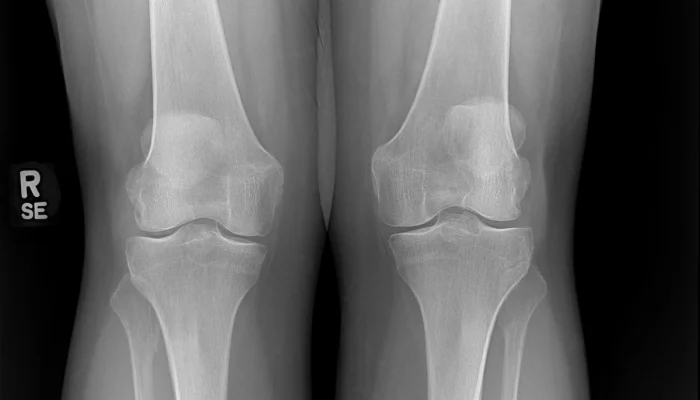
A diagnosis of osteoarthritis is usually confirmed by x-ray before planning a joint injection.
Viscoelastic Supplementation
A conservative treatment for osteoarthritis
Viscoelastic supplementation can help restore proper biomechanics of the knee. A viscous gel is injected to lubricate joints and to offset the effects of cartilage wear.
Single
Hyaluronan can be expediently administered in a single injection.
Series
Hyaluronan can be administered in series of injections for a cumulative cushioning effect.
Reduced pain on impact
Functional improvements in walking, running, standing, and stair climbing are most noticeable after the initial 2 weeks, but it may take up to 4 or 6 weeks to feel the full benefits.
The therapeutic effects of reduced pain, ease of movement, and enhanced performance in sports and exercise tolerance usually last for at least 6 months on average, and sometimes even longer.
Hyaluronan injections may serve to postpone or even to prevent the need for future joint replacement surgery.
Effective June 1, 2026,Mountain Medical Practice will transition to a fully virtual care model with all appointments conducted via secure telemedicine.
Contact us for additional information and assistance.